If someone had said “bliss body” to me 20 years ago, I would have laughed my socks off. A lot has changed since then.
I remember meditation to be difficult; each time I tried it, I felt more restless than before: my body itching to move, my thoughts suddenly louder, more insistent. Bliss felt like something for people with fewer responsibilities, or at least quieter minds.
Yoga Nidra first arrived as a practical help to deal with anxiety at work; I remember taking 10 minutes with my earbuds on, eyes closed, listening in the conference room. It worked. And soon I was using it to help with other things, like pregnancy and motherhood too.
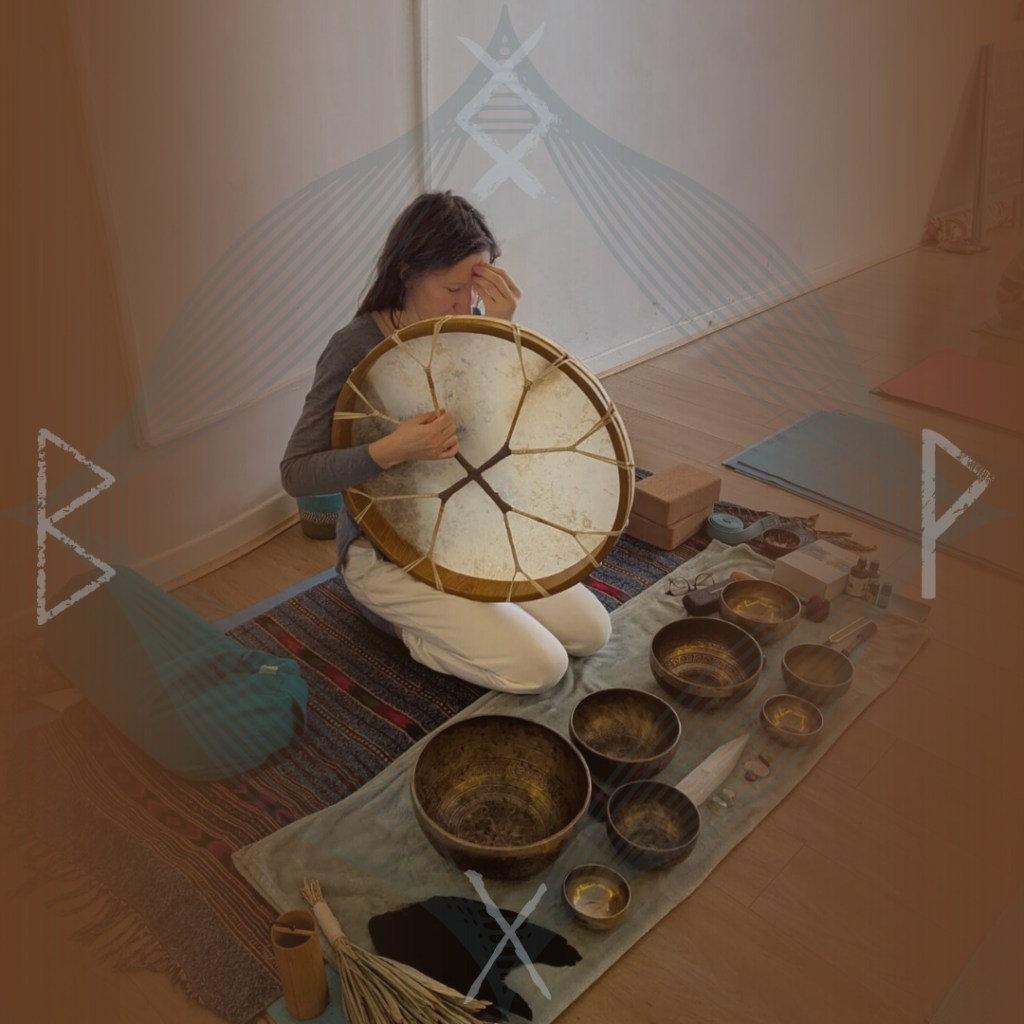
Rest is not a luxury
I’m a single mother. There is no one else to be ill for me. No one to take over when my body needs care. Most of the time, I am the source of care.
So rest couldn’t remain a reward — something to earn once everything else was done. It had to become a necessity.
Yoga Nidra came to me not as an escape from life, but as a way to stay here, resourced enough to meet it. Not transcendence. Capacity.
The first moment I knew this was different
I remember coming out of my first ever Yoga Nidra practice held by my teacher and feeling something I hadn’t felt in a long time (or maybe never?): nourishment. Completion.
There was nothing I needed in that moment. Nothing at all.
The usual hunger — for more, for new, for something, anything — had disappeared. Not dramatically. Quietly.
I remember thinking: Is this the inner peace the mystics talk about?
If this is the bliss body, then for me it doesn’t arrive as fireworks or expansion. It arrives as contentment. As no longer chasing my own tail.
About the “bliss body” (without romance)
In the yogic tradition, Yoga Nidra guides us through layers of experience — from the physical body, through subtler layers of sensation and mind — into slower brainwave states (theta and delta). Kamini Desai, PhD, describes this as entering the bliss body: the thinnest layer before the most expanded sense of self, where the wave remembers it is part of the ocean.
That language can sound abstract. Or unrealistic.
In lived experience, for me, it’s much simpler: a deep sense of enoughness. A settling. A temporary end to seeking.
And it’s important to say this clearly: chasing this state is a trap.
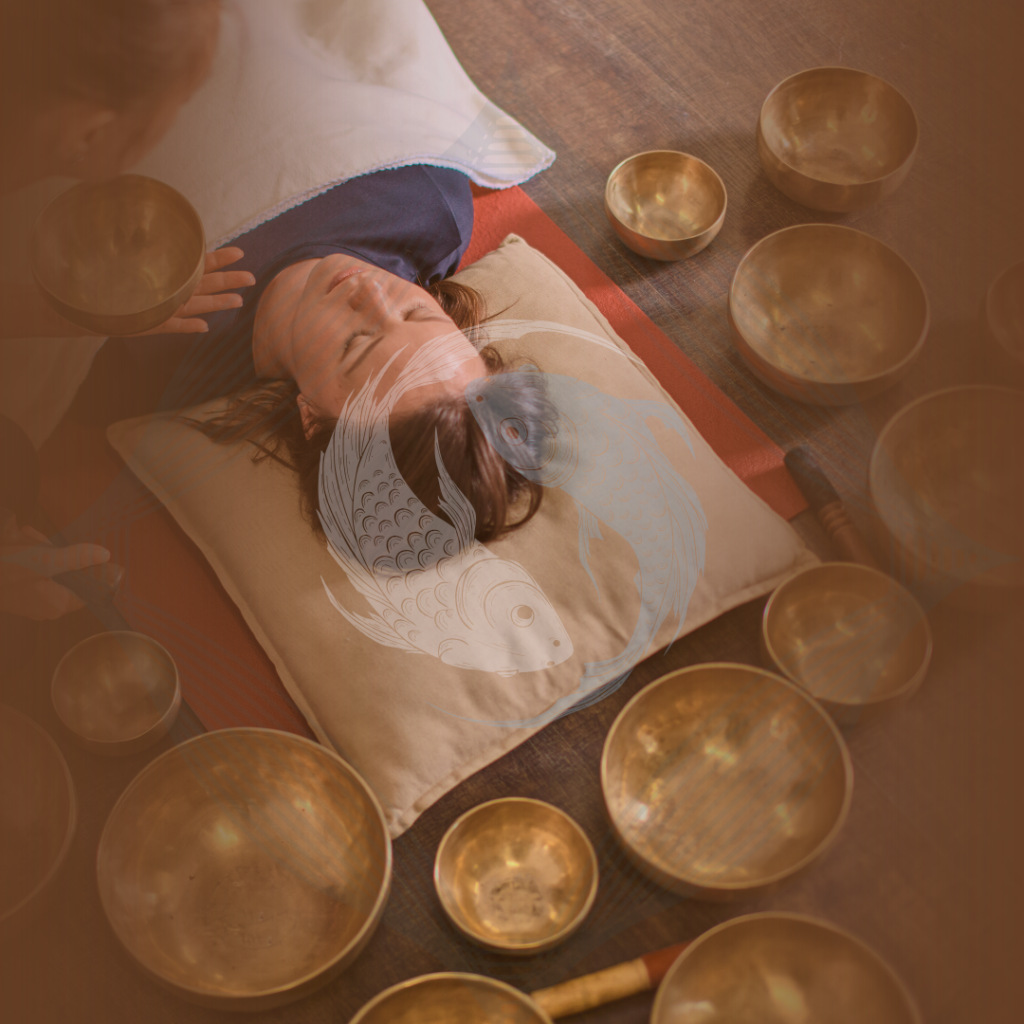
When “nothing happens”
In the beginning, there were sessions where nothing seemed to happen — and I felt disappointed. I wanted that feeling again. The more I chased it, the further it went.
Over time, something shifted. I began to understand that surrender, not effort, is the key. Each practice opens differently. And even when there are no obvious experiences, the body still feels fresh afterwards. Recharged. The mind softer.
Yoga Nidra works quietly. Below the level of performance.
There is also wisdom in not getting addicted to the bliss body. It’s a threshold, not the destination. There is a state beyond it — and life still needs to be lived.
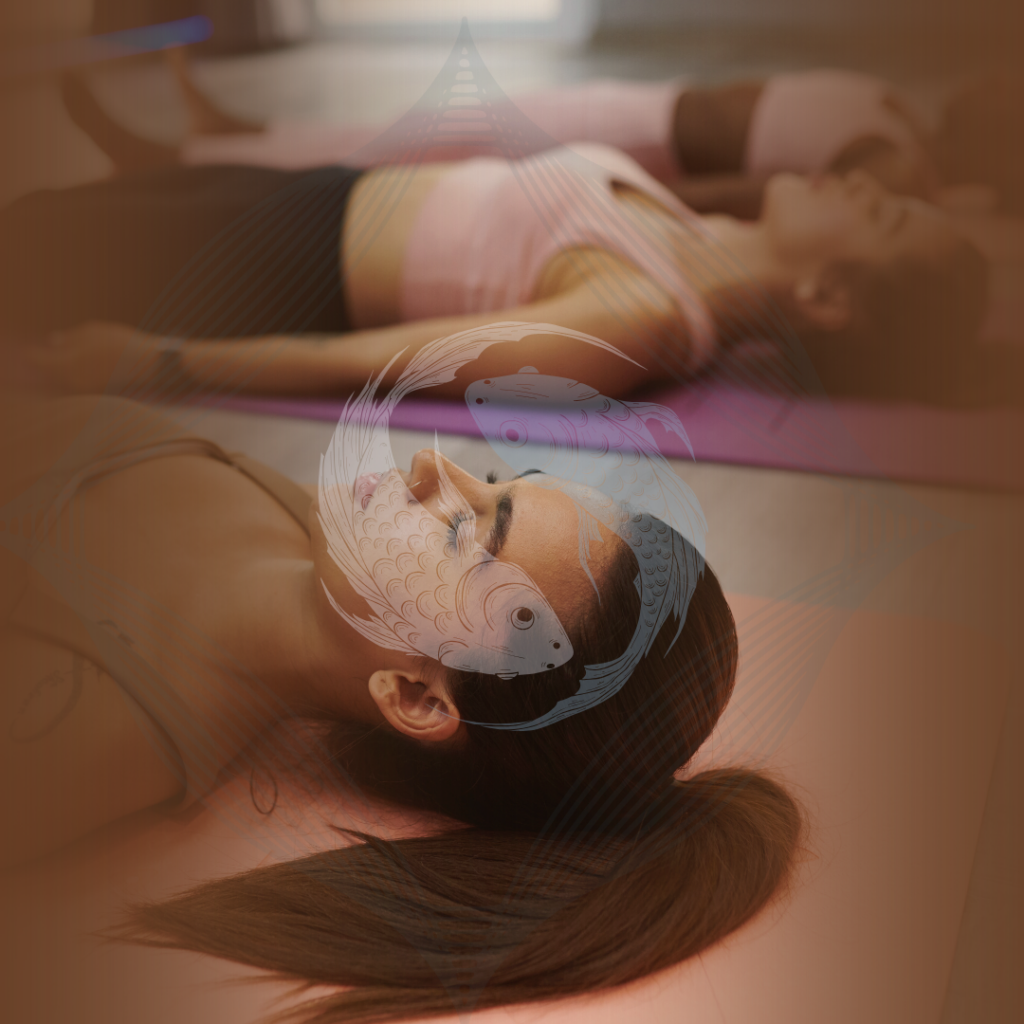
Sound as support, not decoration
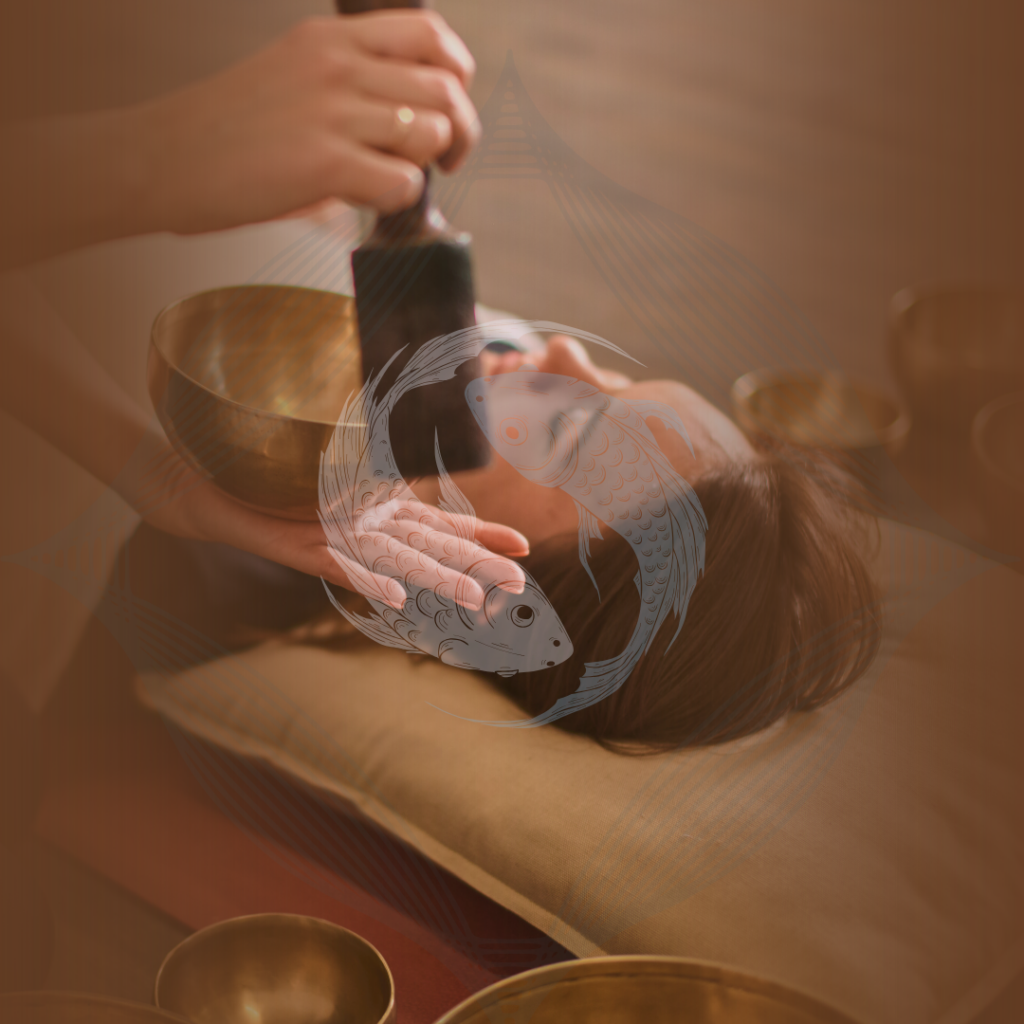
Sound plays an essential role in my work with Yoga Nidra. Not as background ambience, but as something the body can lean into.
There are places sound reaches before thought. When the mind can’t relax, vibration often can. Sound helps the nervous system feel held, allowing the practice to land more deeply — especially for people who find silence challenging.
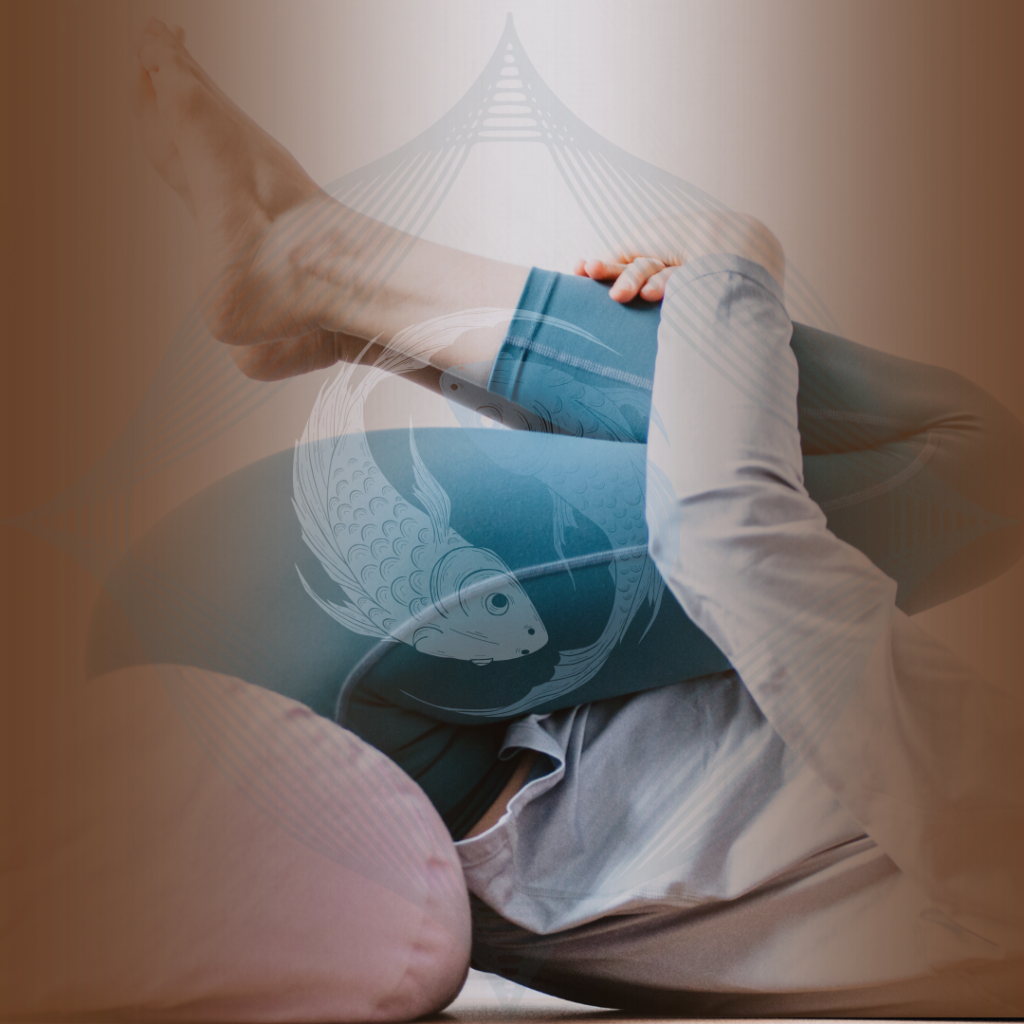
Holding opposites — on the mat and in life
One of the quieter teachings of Yoga Nidra is learning to hold opposites with the same care: heavy and light, hot and cold, in and out.
I’ve noticed how this translates into life.
When things don’t go my way, I’m better able to stay present. To hold grief and love together. Disappointment and trust. Rest and responsibility.
This has changed how I relate to myself in hard times. I give myself space to grieve. Time to heal. Permission to rest — without needing to justify it.
These are no longer luxury choices. They are how I remain available — to my child, to my work, to life.
Sovereignty, not bravery
People sometimes tell me I’m brave — for choices like not staying in relationships that aren’t reciprocal, or following what feels right even when it looks impractical.
To me, it doesn’t feel like bravery. It feels like listening.
Yoga Nidra has strengthened my sense of inner guidance. My sovereignty. Especially when I’m in nature — I feel resourced, supported, part of something larger without disappearing into it.
A grounded invitation
Yoga Nidra & Sound is not about zoning out or floating away. It’s about learning how to rest without abandoning yourself.
If you live in or around Abergavenny, and you’re curious — especially if meditation has felt difficult, restless, or unrealistic for your life — you’re warmly welcome to join my classes.
No experience needed. Nothing to get right.
Just a place to lie down, be held, and slowly rebuild the capacity to meet your life as it is.
— Aya